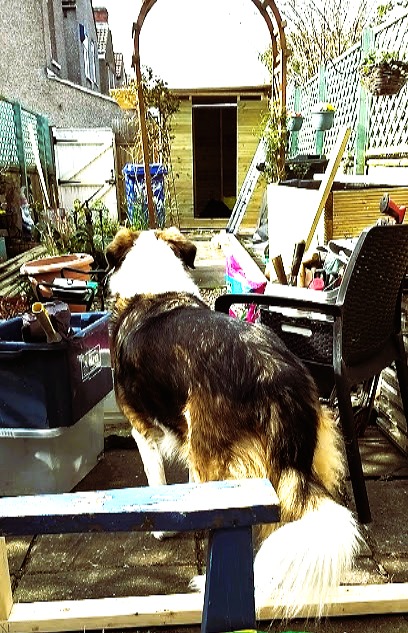
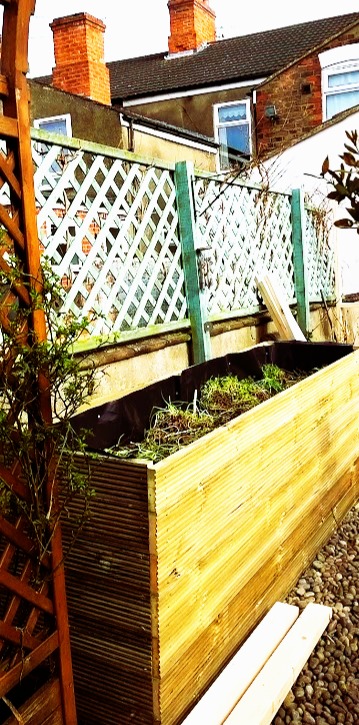
The garden’s been turned inside out, quite frankly. Necessary, of course. The old sheds were beyond saving, and if I’m honest, I’d been putting off the inevitable for far too long. Now, we have a new planter, ready for its layers of native perennials – I think of it as a seasonally curated buffet for bees and butterflies. The shed is almost finished, too, a proper space finally, and I’m determined to keep it tidy. Spiders are welcome on the condition that they don’t creep up on me.
Then there’s the garden room, replacing my old lean-to, the “Growlery.” A Dickensian term, I know, but it suited the place. A charming, if dilapidated, space where I’d ruminate, fulminate and, yes, occasionally growl. The new cabin, with its French doors, is a definite upgrade. It will be a place to sit, to watch the garden, perhaps with a glass of something in hand. I suspect I’ll still do some growling, but hopefully in greater comfort.
A small greenhouse is planned, for the usual tomatoes and cucumbers. The wheelie bins are getting their own cupboard – a small victory – and the side of the house is being transformed with plum-coloured flint, a home for shade-loving plants.
There’s much to look forward to. The seaweed fertiliser is ready, and I managed to rescue the old hydrangea, Billy’s mum’s. And her stone frogs, a whole collection of them, ready to be reinstated. They’re part of the garden’s story, a thread of continuity.
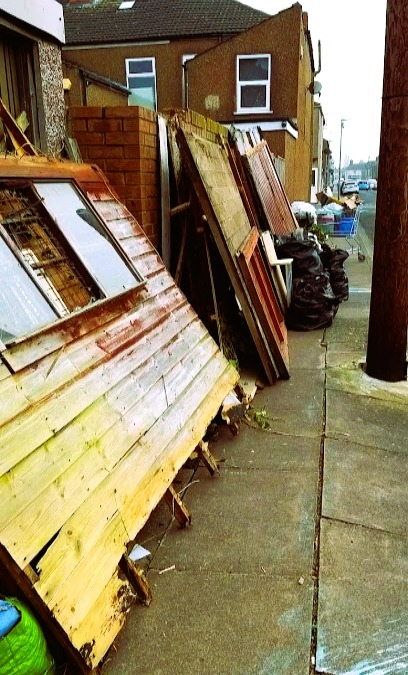
But to get here, a lot had to go. The Growlery, reduced to rubble. The shed, a pile of rotten wood. Mountains of ivy, ripped out. And years of accumulated debris, disposed of as responsibly as possible.
That’s where the difficulty began, really. The clearing out. The ripping, tearing, and discarding. What was once a feature, now just a problem. And the sheer volume of waste, having to pile it in the street, in a neighbourhood already struggling with such things. It felt wrong. But it’s done now, and we can move on.
@
The rain has paused the work, but we’ll be back at it soon. A couple of weeks, hopefully, and the garden will be ready for planting.
It’s a strange process, this change. You know it’s necessary, but it still feels like a wrench. Tearing down the old, even when it’s falling apart, feels violent. Like erasing a piece of history. And the waste, the sheer volume of it, is sobering.
But gardens aren’t static. They evolve, they change. You can’t cling to the past indefinitely. You have to let go, make way for the new. And sometimes, that means demolition.
I keep thinking about the stone frogs, though. Billy’s mum’s. They’ve seen it all, those frogs. They’ve witnessed the garden’s transformations, its ups and downs. And they’re still here, still watching. A bit weathered, perhaps, but resilient.
And the hydrangea, too. A close call, that one. Thought I’d lost it. But it’s a survivor, like the frogs. A bit of a metaphor, really. Life, gardens, everything. You have to adapt, you have to keep going.
There’s a strange anxiety in letting things go, even when it’s the only sensible course. It’s not just about the objects themselves, but the memories, the associations, the sense of familiarity. You know it’s for the best, but the process of dismantling, of discarding, feels unsettling. It’s a kind of grief, I suppose, for what was, even if what was had become untenable.
So, I’m moving forward. Building the new garden, creating a space that’s both practical and beautiful. A space for wildlife, a space for contemplation, a space for the moments of quiet reflection, and most likely the moments of frustration.
I’m looking forward to the bees, the scent of herbs, and the birdsong. And the stone frogs, of course, keeping watch. It will be a good garden when it’s done. A place of peace, a place to grow. I’m going to find the right chairs and place them in the perfect spot for the necessary unwinding and occasional growling.
The British Library hums around me, a low, constant thrum of activity. I’ve ensconced myself in a public space, though I fully intend to rectify that with a reader’s pass and membership; this place is a treasure trove, a haven for the curious mind. The coffee and cake, admittedly, are a touch exorbitant, but after paying £5.50 for mineral water at The Conduit last night I’m beginning to recalibrate my expectations of London prices.
This space, while not serene, is conducive to thought. I’m attempting to write myself into this moment, to capture the ephemeral threads of inspiration that linger after a night spent in the company of Brian Eno, Bette A, and Jon Alexander and a group of artists and thinkers engaged with the question of what art is for and why now is a good time to ask that question. I’m not expecting to synthesise everything here, but I am hoping to untangle some of the questions that have been swirling in my mind.
Last night at The Conduit was, to put it simply, a moment. Brian Eno radiates charisma, a quiet, almost otherworldly presence. He speaks with the authority of a sage, yet his words are grounded in a profound understanding of the world. Bette A appears intimately connected to the practicalities of her art, her relationship to the everyday and her profound joy in making. Jon Alexander, author of Citizens, Why the Key to Fixing Everything is Us and our exuberant host, is a force of nature, a passionate advocate for the power of art and the role of the citizen and a truly good human. His genuine appreciation for the work being done at East Marsh United was deeply moving.
The conversation revolved around the role of art in our fractured world, a world where the hoped for revolution has failed to materialise. The spectre of fascism, a persistent shadow throughout the latter half of the 20th century, has re-emerged with renewed vigour in the 21st, its mask finally slipping. Trump, Musk, and their ilk have laid bare the ugly truth and there is no credible opposition within the established political system. The liberals, adrift and clinging to the status quo, offer little more than token gestures, while remaining steadfast in their devotion to the military-industrial complex and its insatiable appetite for war. The left, fragmented and disillusioned, seems to have lost its way.
It strikes me that the very notion of left and right, of entrenched ideologies, has become a debilitating constraint. To adhere to such rigid frameworks is to limit our thinking, to position ourselves on opposing sides of an increasingly irrelevant divide. Surely, the most pressing task for any thinking human is to seek common ground, to transcend the outdated political paradigms that have led us to this precarious juncture.
And this, of course, brings us back to art. Brian and Bette articulated a powerful idea: art is everything we don’t have to do. We must eat, maintain our bodies, and strive for economic security (though even that is a point of contention). Beyond these basic necessities, we are constantly making artistic or aesthetic choices, from the clothes we wear to the way we decorate our homes. They posit that everything, from chewing gum wrappers to grand architectural designs, is art. This is a liberating concept, one that challenges the elitist notion of art as a rarefied pursuit, the exclusive domain of experts and connoisseurs.
My mind drifts back to Mr. D, one of the art teachers in my secondary school. I can still hear his voice, dripping with disdain, as he declared my painting of grass to be “council house green,” before obliterating it with his own, supposedly superior, brushstrokes. His language was not only classist but deliberately humiliating. He chose to mock rather than teach, to crush rather than encourage. That moment, though decades past, has left an indelible mark. I still hear his sneer whenever I pick up a paintbrush.
This, I believe, lies at the heart of the matter. How we perceive, discuss, and value art has profound consequences. Children, naturally creative and uninhibited, are often robbed of their artistic freedom by well-meaning but misguided adults who impose their own rigid standards. Play, experimentation, and mark-making, essential for developing cognitive and motor skills, are dismissed in favour of measurable outputs and quantifiable results.
I recall a particularly disheartening experience during my time as a teacher. My A-Level Literature students, when asked to sketch their idealised human form, male and female, refused outright. They claimed they “couldn’t” draw, that their efforts would inevitably be “crap.” This simple, lighthearted exercise, intended to spark a discussion about the nature of beauty and desire, was met with resistance and self-deprecation. They were trapped, I realised, in a culture that demanded perfection, that equated creativity with technical skill. My attempts to reassure them, to emphasise the process over the product, were futile.
That lesson, and countless others like it, convinced me that I was no longer fit for the classroom. The increasingly absurd exam syllabi, the pervasive anti-intellectualism, had eroded any semblance of meaningful pedagogy. In 2012, the system was already a shadow of its former self.
So, where does this leave us? Where does it leave Brian, Bette, Jon, and my own exploration of the relationship between citizenship, creativity, and climate? I find myself grappling with more questions than answers. I firmly believe that unlocking the doors to creativity, imagination, and expansive thinking is essential for building a more just and sustainable future.
Yet, our governments, and even some of our supposed allies, remain stubbornly blind to the transformative power of art. It is relegated to the margins, underfunded, and dismissed as a luxury. The opposite should be true. Creativity should be at the heart of everything we do, from education to governance. The stifling of creativity in our schools has contributed directly to the mental health crisis among young people. The relentless pressure to pursue STEM subjects and money-oriented degrees, the relentless focus on economic productivity, has come at a terrible cost.
The rise of talent shows like Britain’s Got Talent and The X Factor has reinforced the myth of perfection, perpetuating a culture of shallow aesthetics and celebrity worship. Social media, a tool of manipulation and addiction, has rendered us passive and controlled.
What, then, can we do? How can we reclaim our creative selves, our intuitive capacity for wonder? How can we assert the centrality of art to our humanity, its power to solve problems, foster collaboration, and generate joy? How can creativity and art become pathways out of conflict?
We need only look to examples like El Sistema, the East West Divan Orchestra, and other courageous artistic endeavours to see the transformative potential of art. Instead of perpetuating cycles of war, conflict, and polarisation, we can choose to embrace imagination, creation, and collaboration. When we share an artistic experience, whether it be a concert, a play, or a simple act of drawing together, we transcend our differences and discover common ground.
This is not a utopian fantasy; it is a proven reality. It is a way of living that works. It is a way to build a future based on shared humanity and creative expression. I don’t claim to have all the answers, but I am increasingly convinced that the answers lie in asking the right questions, in embracing curiosity, and in shedding the outdated ideological baggage that has held us captive for too long. I am opening myself to new ways of thinking, to new ways of being, and to the transformative power of art. I’m choosing to be curious, and to create.
This week, my focus has been on the burgeoning life in my garden and the subtle greening happening in my community. It’s a community that faces a stark reality: a mere 3% canopy cover. This leaves our terraced streets vulnerable to sweltering heat in the summer, the concrete and lack of shade creating a desert-like feel. When the wind whips off the docks, it barrels down the streets, unchecked, often scattering rubbish from overflowing bins. Yesterday, it was a particularly grim scene.
But we’re not resigned to this. We’re actively working to change it. Just this week, our efforts were featured in The Guardian, highlighting our tree planting and green space development – central to our commitment to making the East Marsh a greener, healthier place.
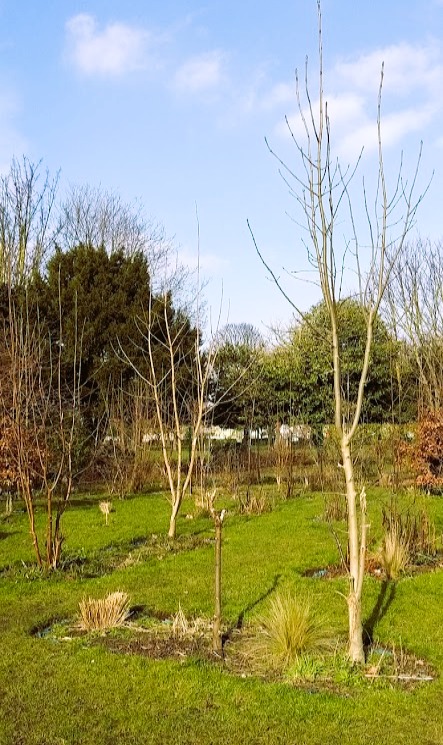
I’ve spent a lot of time in the park this week, walking Loki and observing the 30 trees we planted, now showing signs of budding. The Pocket Park, despite its controversial fencing within a historically gifted public space, is a testament to what’s possible. It’s a thriving ecosystem, full of young trees and planted beds. Over at the church, our team is tending a wild planting bed, nurturing new trees, and an edible garden for the community. Little gardeners join the adults, caring for their small piece of nature.
@
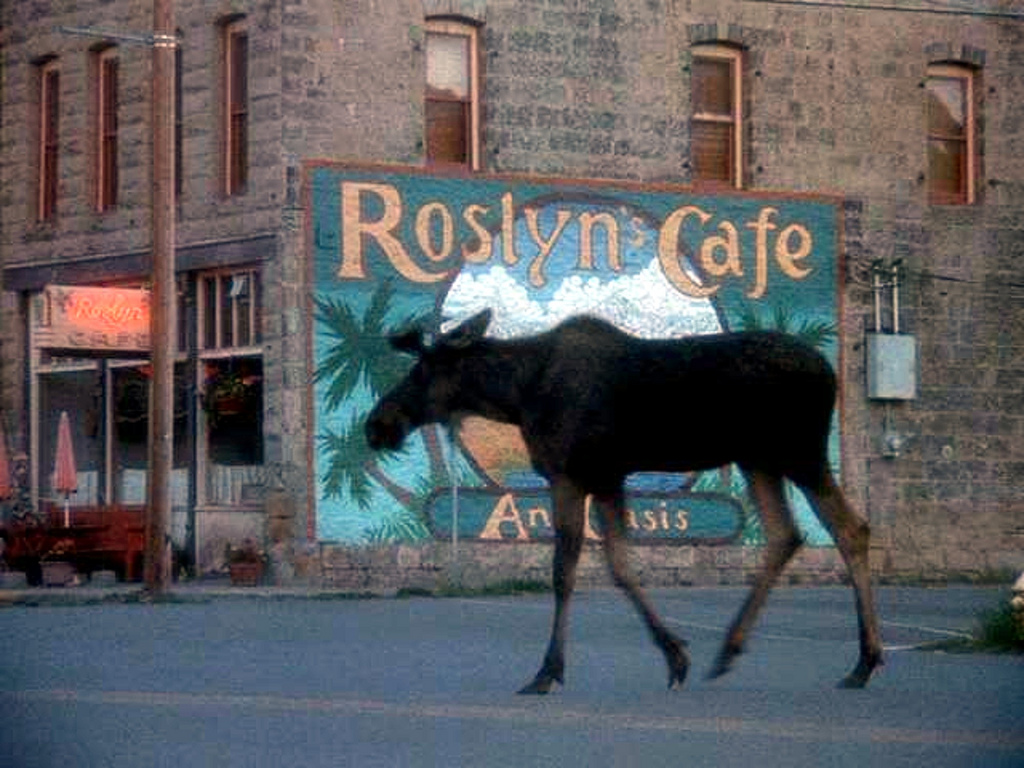
A visit to the Oasis Community Garden was also on the cards, where I picked up a day lily, rudbeckia, ragged robin, and a bay tree for a modest £1.80. The Oasis garden is a place of beauty and dedication, producing affordable plants and offering valuable gardening knowledge.
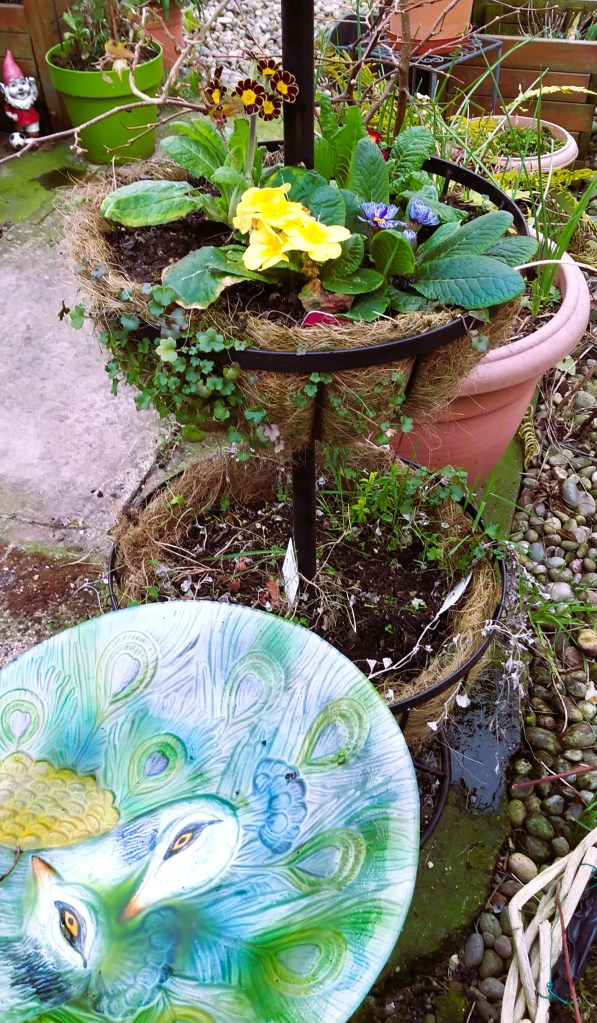
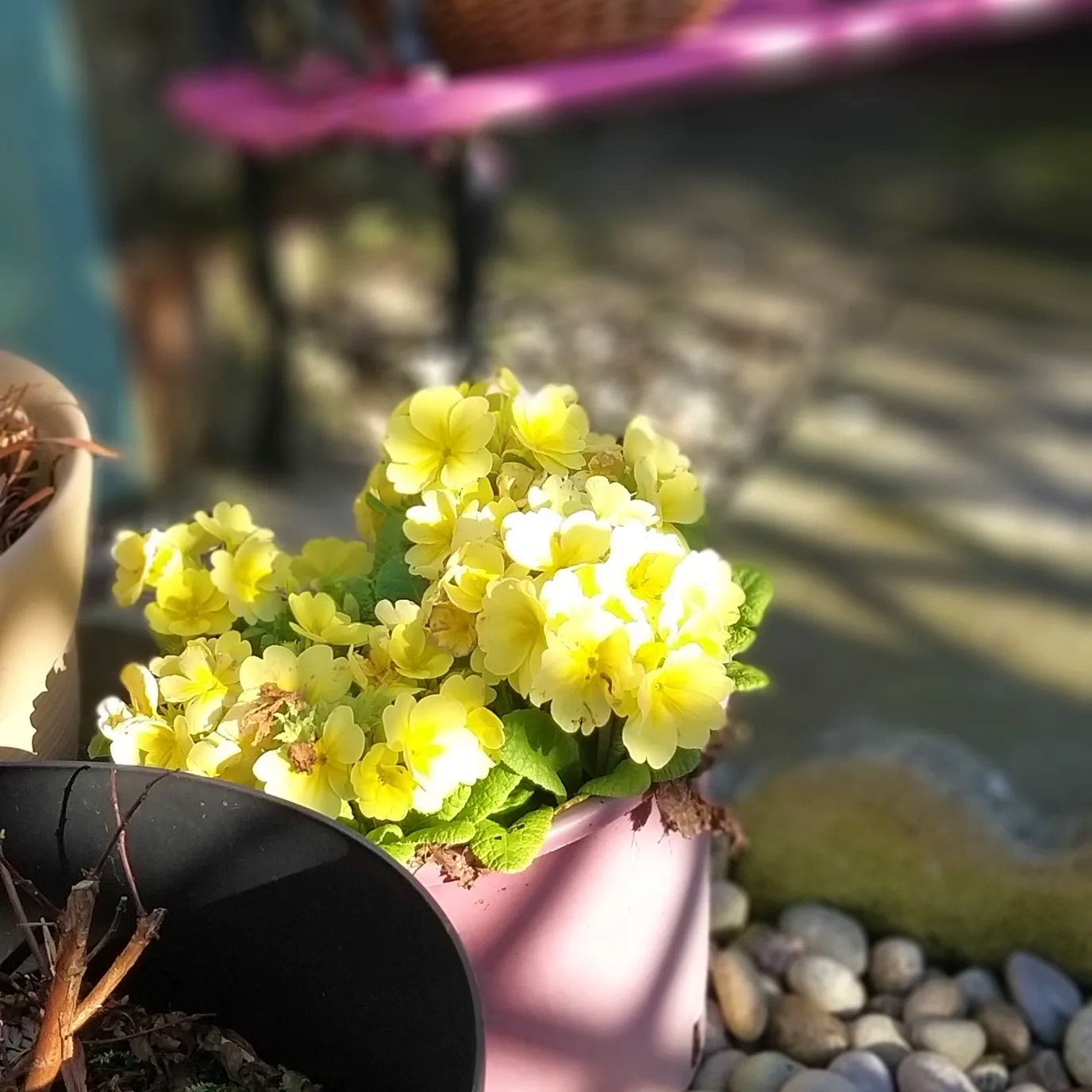
Back home, I’ve added primroses to the tubs by my front door, a splash of colour. These tubs have been targeted before, but I refuse to be deterred. I repair, replace, and replant. It’s disheartening when they’re damaged, but the joy they bring outweighs the risk. They serve as an example, showing that plants can thrive here.
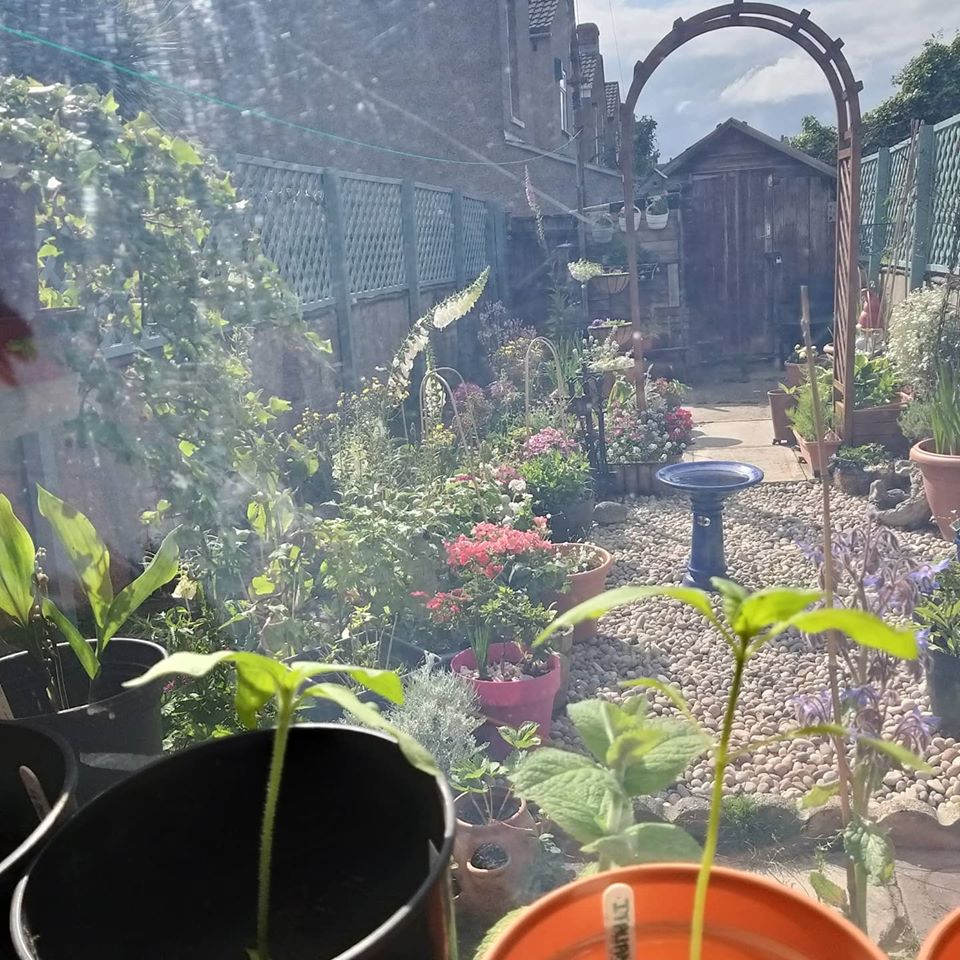
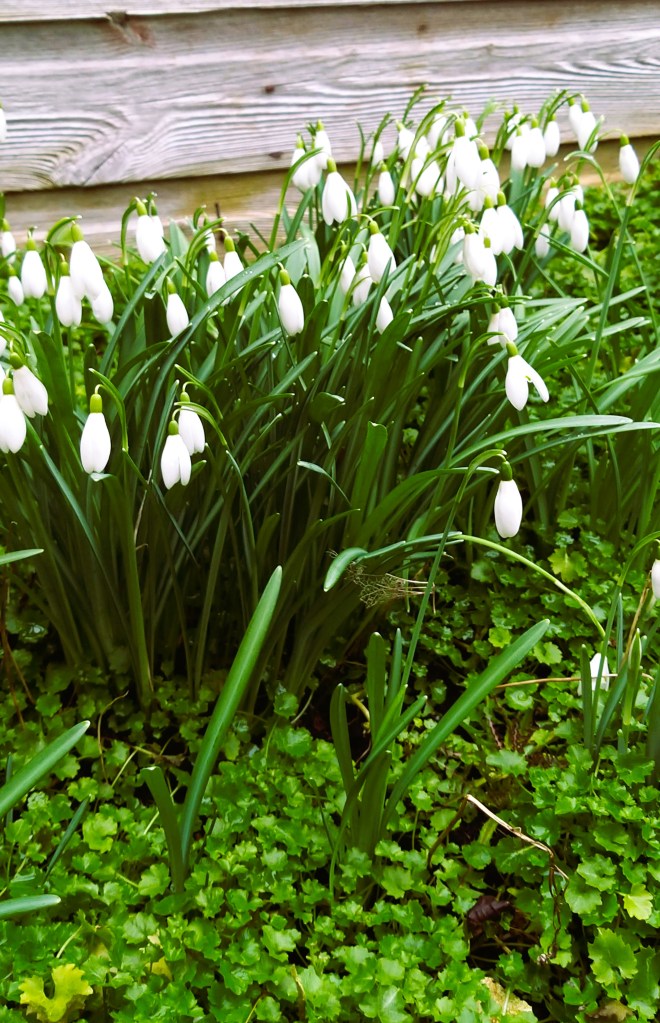
My back garden is coming to life. The snowdrops are in full bloom, the trees are budding, and the spring flowers – daffodils, hyacinths, crocus, and tulips – are pushing through. This year, the garden is getting a facelift: a new shed, greenhouse, raised beds, and a summer house. We’re retiring tired plants to the compost and making way for new life. Soft fruits, salad crops, beans, and peas will be grown, not just for me, but to share with my neighbours.
@@
My mum often speaks of my Great Uncle Tom, whose garden and allotment fed family and neighbours during World War Two. His tomatoes were legendary. I remember Uncle Tom and Auntie Lizzie, living next door to my Grandma and Auntie Helen, a close-knit community that held people together during difficult times. Much of that has been lost, but echoes remain in stories and memories. We can use these to rebuild our broken communities.
We face broken streets, poverty, alienation, and a sense of hopelessness. But we also have each other, ideas, and dreams we can put into action. I’ve been nesting, creating a sanctuary amidst the concrete, broken glass, and overflowing bins. Our houses, built in the 1850s, need love and to be lived in properly. I make my home welcoming, filled with flowers, houseplants, and cushions. I open my door and feel enveloped by its warmth.
Everyone deserves a safe home, a harbour of safety and love. It seems radical to think this way, given the scale of our problems. But if we don’t imagine it, we’ll never build it. And build it we must.
This week has been a challenging one, dominated by a strong sense of injustice felt on behalf of someone I care about deeply. This heightened sensitivity to unfairness, particularly when it affects loved ones, is a common trait associated with ADHD. While it fuels a desire to fight for what’s right, it also leaves me emotionally vulnerable and raw. The perceived injustice manifested as a dark cloud, impacting my overall well-being. It brought on brain fog, making clear thinking a struggle, a persistent headache, and a crushing fatigue that made even simple tasks feel overwhelming.
Adding to the week’s difficulties was a situation involving my own health. I’d been feeling dissatisfied with my clinician, a nagging sense that my needs weren’t being adequately addressed. Gathering the courage to request a change felt like a monumental undertaking. It shouldn’t be so difficult to advocate for one’s own health, to express needs and concerns. Yet, I found myself minimising my concerns, apologising for taking up time, and uttering phrases like, “I don’t want to complain,” and “I’m sorry to be a nuisance.” This pattern of appeasing and self-abnegation is a familiar one, rooted in past experiences where asserting my needs was met with resistance or dismissal.
It’s a stark contrast to how I would act for someone else. I would readily fight for them, fueled by righteous indignation, confronting any obstacle in their path. I’d find the words, the strength, and the unwavering commitment to champion their cause. But when it comes to advocating for myself, I become hesitant, apologetic, almost invisible. It’s as if a different part of my brain takes over, prioritising conflict avoidance and maintaining the status quo, even at my own expense.
Despite the internal struggle, I managed to push through. I articulated my concerns and requested a different doctor. Navigating the hospital bureaucracy wasn’t easy. There were f explanations to provide, and a palpable sense of resistance. But I persisted, and eventually, they agreed. Securing a new appointment brought a quiet sense of accomplishment. It was a small victory, but it felt significant. It was a step towards breaking free from self-denial and reclaiming my voice.
The weight of the world also loomed large this week. The constant influx of news, the pervasive sense of global unease, the feeling that everything is on the brink of collapse. I try to limit my exposure to “the news,” but I also feel a responsibility to stay informed. Finding the right balance is a challenge. I avoid social media battles, recognising their futility. I try to approach every story critically, acknowledging the existence of multiple perspectives. But it’s exhausting. The sheer volume of information and the constant negativity take their toll.
Even attempts at escapism proved counterproductive. I started watching a popular supernatural drama, hoping for some light entertainment. However, the first episode was unexpectedly frightening, triggering unwanted anxiety. I’m not someone who enjoys being scared. I value my peace of mind too much to willingly subject myself to that kind of stress. So, I turned it off, resisting the urge to continue. Sometimes, self-care means setting boundaries, even with entertainment.
Seeking a mental reset, I turned to mundane tasks. Folding laundry, cleaning the kitchen – these simple, repetitive actions proved surprisingly therapeutic, helped ground me, bringing me back to the present moment.
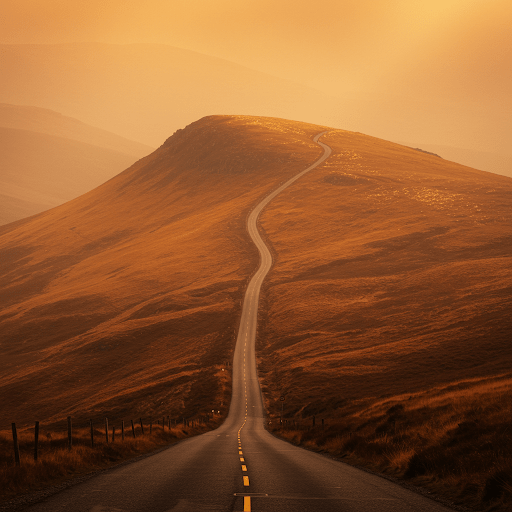
That night, I anticipated nightmares. The week’s intensity and emotional rollercoaster seemed destined to surface in my dreams. Instead of a monstrous figure, I experienced a different kind of nightmare. I was driving too fast on a narrow, winding road on a remote hill. The road was so narrow I couldn’t see what was ahead. Reaching the hilltop, I braked, but the car accelerated, sending me careening forward, out of control. The dream was filled with anxiety, likely a reflection of the feelings of helplessness and uncertainty I’d been experiencing.
Today, I recognise the need for rest. I need to allow myself to step back, to recharge. It’s tempting to feel guilty about taking a day off, especially with so much to do. But I know that neglecting my well-being will only hinder my ability to function effectively in the long run. So, today is for me. It’s a day for quiet reflection, gentle self-care, and simply being. Tomorrow is also a day off, a day dedicated to doing absolutely nothing. It feels both wasteful and incredibly necessary. A waste of time, perhaps, but also a crucial investment in my mental and emotional health. It’s a chance to disconnect from the noise, let my mind wander, and allow my body to recover. It’s a chance to simply be present, without the pressure of deadlines or obligations. It’s a chance to breathe. And in a world that feels increasingly chaotic and overwhelming, the ability to breathe, to simply be, feels like the most radical act of self-care.
A strange craving for vegan sausage casserole last week revealed a culinary oversight: I haven’t owned a proper casserole dish in years. A perfectly acceptable hob-top version fuelled my desire for the real thing – a heavy, dependable cast iron casserole, a cauldron for slow-cooked dishes, infused with love and intention. Yesterday, I found it in my favourite shop. I’d already been to Freeman Street Market for my veg. I am trying to buy all my fruit and veg locally these days, enjoying the connection to the growers and the rhythm of the seasons. On my way home I imagined the dish I would cook and the rich, earthy scents of a slow-cooked Imbolc meal, marking the first stirrings of spring.
Back home, a rummage in the fridge unearthed the week’s leftovers: half a tin of butter beans, half a red onion, half a butternut squash, potatoes on the verge of sprouting, and some slightly sad-looking celery. I have a particular ritual when I cook, a way of creating a calm and focused space. First, the kitchen is cleaned. Then, I select my knife, and place my ceramic bowl, bought at a festival decades ago, ready to receive peelings and trimmings. My chopping board occupies its usual spot between the sink and the cooker, a small but efficient workspace. If I’m not careful, my culinary enthusiasm can quickly descend into messy chaos, so I try to be mindful and contain the spread.
The potatoes, butternut squash, and carrot were chopped into roughly equal chunks and placed in the steamer to soften. While they cooked, I turned my attention to the aromatics. The remaining half red onion, the celery, and two cloves of garlic were finely chopped and sautéed in a couple of teaspoons of olive oil. A good pinch of dried chives was added to the pan, their subtle oniony notes complementing the other flavours. Once the vegetables were softened and slightly caramelised, I added the butter beans and a generous handful of Quorn pieces for protein. A dash of gluten-free soy sauce and a drizzle of maple syrup were added, coating everything in a glossy sheen. The heat was turned off, and I waited for the potatoes, squash, and carrot to reach the perfect stage of tenderness.
A pint of vegetable stock was made up using my favourite gluten free stock cubes (a convenient cheat). The oven, meanwhile, was preheating, humming quietly to itself, a promise of warmth and deliciousness to come. When the steamed vegetables were ready, I carefully tipped them into the brand new cast iron pot, joining the sautéed mixture. Everything was thoroughly combined, seasoned generously with dried sage, sea salt, and freshly ground black pepper. For extra depth of flavour I added a more generous glug of red wine than I intended. A moment of panic ensued as the casserole turned an alarming shade of purple. But I have faith in my cooking instincts. I knew that given enough time in the oven, the colour would mellow, and the wine would work its magic. Into the oven it went, the heavy pot feeling satisfyingly substantial in my hands.
I usually give my improvised casseroles about forty to fifty minutes in the oven, checking and stirring every ten minutes to ensure everything is cooking evenly and nothing is sticking to the bottom. And I always allow the finished dish to stand for at least ten minutes before serving. This resting period allows the flavours to meld and deepen, and the casserole to thicken slightly.
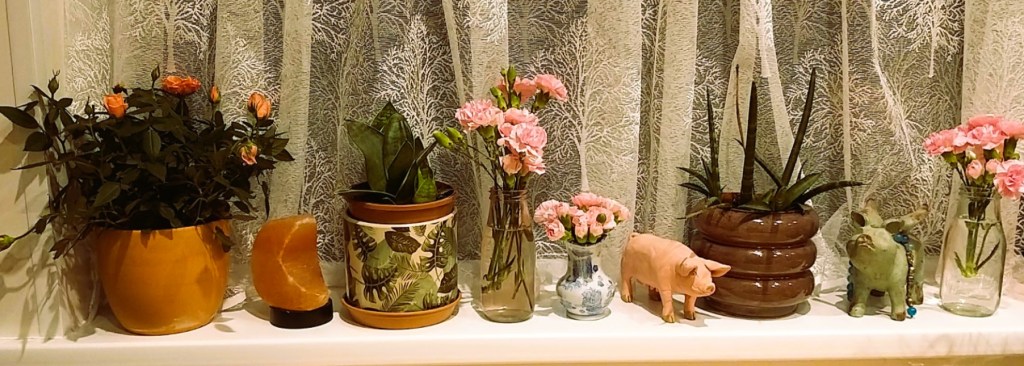
Last night we enjoyed our Imbolc dinner together in our cosy living room. The bobbing heads of the white roses I’d bought, a symbol of spring’s tentative arrival, seemed to nod in approval. The casserole was wonderful – hearty, rich, but not overly so. The red wine, despite its initial purple outburst, had mellowed beautifully, adding subtle complexity to the flavour. The meal was nourishing, both physically and emotionally, and filled with the love I feel for my Best Human. Nourishing him, caring for him through food, is something that’s deeply important to me.
It made me think about the women who instilled in me a love of cooking: my maternal Grandma, my Great Auntie, and my Mum. They taught me not just how to cook, but also how to appreciate food, to understand its power to connect and comfort. I grew up surrounded by good food, shared meals, and the warmth of family. Our dinner tables were places of laughter and conversation, of occasional disagreements and outbursts but mostly of togetherness. In my community, where I live and work, many of us share this belief in the power of food to strengthen the bonds of friendship and neighbourliness. Growing, cooking, and eating together forge deep connections, taking us on a journey from the soil to the table, united by the shared experience.
With Imbolc passed and the days lengthening, my thoughts are turning to the garden. It’s time to start planning, to sow seeds, and to prepare the soil for the food and flowers I’ll grow and share in the coming year. Spring is stirring. The snowdrops are already blooming, and there are whispers of more life to come. This is a season of delicate beauty, a time to put our hands in the earth, to nurture new growth, and to embrace the slow, comforting rhythm of slow-cooked food. In a world that often feels fractured and disconnected, cooking and sharing food is an act of defiance, a powerful affirmation of our connections to each other and our commitment to nurture and care. It’s a way of building community, one meal at a time.
One of the most important things I have learnt over the past few years is that no person is just one thing. This might sound obvious but in a world where tribalism is in the ascendant and when public discourse is often at a comparable level to caged monkeys throwing their excrement at each other, I think it’s worth exploring what it means to contain multitudes.
In Song of Myself, 51 Walt Whitman writes;
The past and present wilt—I have fill’d them, emptied them. And proceed to fill my next fold of the future.
Listener up there! what have you to confide to me? Look in my face while I snuff the sidle of evening, (Talk honestly, no one else hears you, and I stay only a minute longer.)
Do I contradict myself? Very well then I contradict myself, (I am large, I contain multitudes.)
Recognising the contradictions in ourselves and being honest about them opens us up to a richer experience than if we remain closed and rigid, binary in our thoughts and our actions. Of late I have been able to acknowledge the pleasure and privilege I have in my work in being able to meet and talk to people from a rich variety of backgrounds and experience. In truth, a few years ago my own prejudices and bias might have got in the way of being able to do that. I have to acknowledge the role our monthly Philosophy group has had in bringing about transformational thinking and the agility to step away from dogmatic positions. If anyone would like to join our ongoing conversation, you can find us here: https://pipsgy.wordpress.com/
Bob Dylan acknowledges Whitman in his song I Contain Multitudes the opening track on his 2020 Rough and Rowdy Ways album. I was lucky enough to see Bob in Hull on October 27th last year. For me it was a significant event for a multitude of reasons. Bob is the artist that has had the most profound effect on my life, having discovered him at age 14 and having been inspired and intrigued by him ever since. At 82 he is now a sage and almost a myth. To be in the same room as him was enough. I had a dream a few days before the gig whereby I was in a concert hall somewhere waiting to see him and he walked past me wearing a huge white hat. He patted me on the head as he walked by and half smiled. The dream is a precious one. The words of the song tell us that Bob is not one thing and that has artistic life has been a flow of change and growth, incorporating experiences and interpreting them in his art.
Walt Whitman and Bob Dylan see the multitudes within, the truth of our being. We are not just one thing. We are of many dimensions and we should rejoice in that and see it as strength. We can debate the purpose and meaning of life endlessly, and we should; our consciousness is a gift we should use. As part of that, we can look within and explore our strange and beautiful contradictions and work on being the best version of ourselves we can be.
I am in an interregnum at the present, between things and I am waiting patiently to see what unfolds. It is comforting to me to know that there is not just one possible road ahead, but many, and whichever one I take will be OK because I have learnt to be free, to not be rigid and fixed.
As spring continues to struggle to arrive (the poor weather is a worry) I hope all beings can enjoy their multitudes and be peaceful with their contradictions.
I am sick of being cold! The sky is deceptively blue and clear today but the wind still has bite and although May arrives tomorrow there is still not enough warmth to tempt me back to the garden or anywhere near the sea. I put my fingers in the sea a couple of weeks ago and I knew that the rest of me would not be following for a while.
The unseasonal cold seems to match the coldness in the culture. We are seeing an increasing disregard for others in the wider culture and a tolerance for the most unpleasant aspects of human behaviour; bullying, xenophobia and corruption, combined with intellectual laziness and philistinism. What a time to be alive.
In the dark moments, it is easy to turn to despair, to be overwhelmed by a sense of hopelessness, by anger and depression. I have to fight the dark and make the effort to look to the light. In my case, the light is found in the work I do, whether that is leading the East Marsh Peace Choir in song on Tuesday teatimes, or admiring the trees East Marsh United and Create Streets planted together in February, or having a brew with like minded folks to develop the next stages of the incredible plans we hope to deliver this year.
I also find the light in simple, mindful activity, such as hand stitching, crafting and when it warms up, gardening. In order to truly flourish, we must find the things that bring us peace and hope and joy.
The dark is always present, times are always hard for millions of beings on this beautiful planet of ours. But the light is always there too and it will bathe and hold you if you let it in.
A dear friend sent me Tennyson’s Ring out Wild Bells as a New Year greeting and its words are always apt;
Ring out false pride in place and blood,
the civic slander and the spite,
Ring in the truth and right,
Ring in the common love of good.
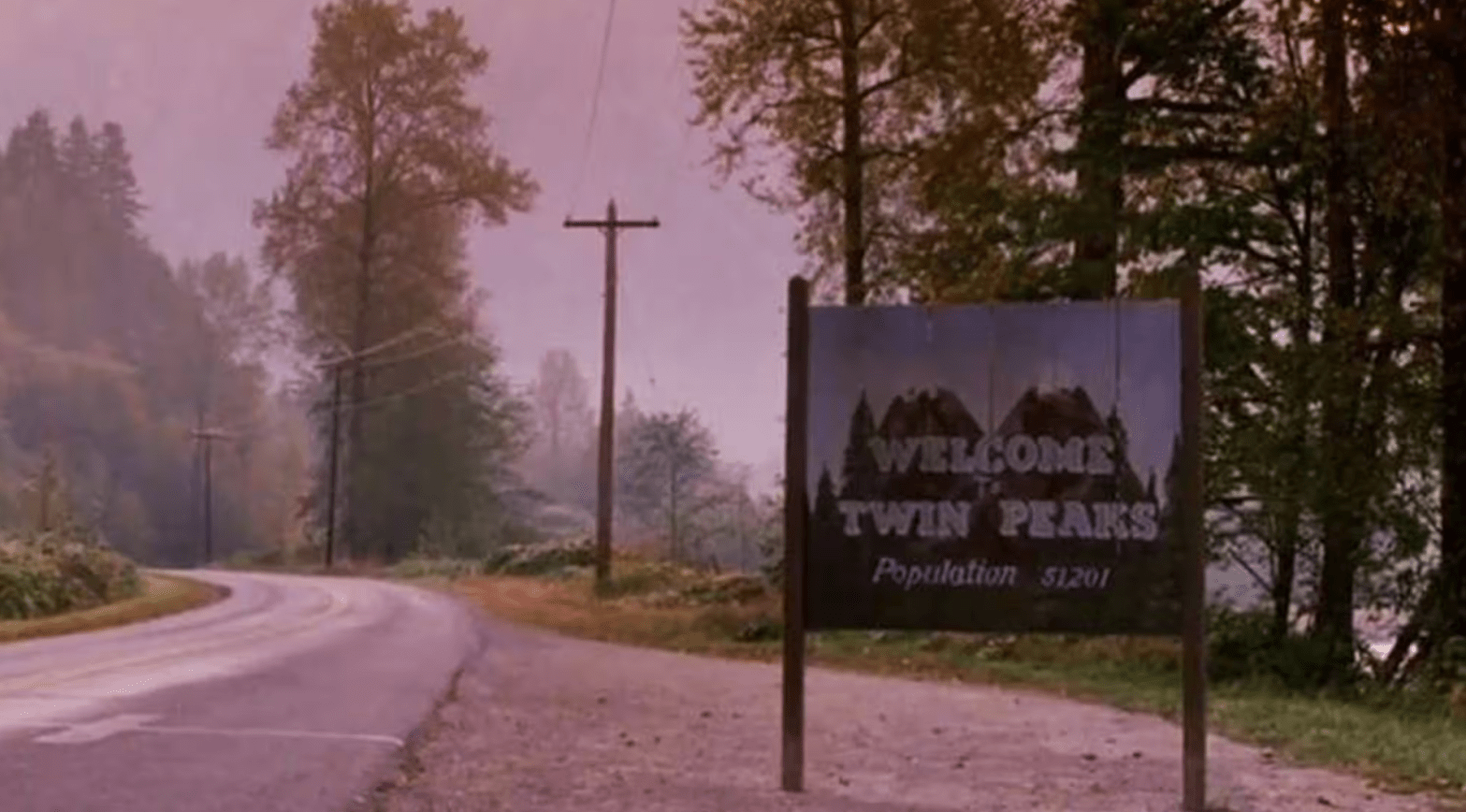
Over this break I’ve watched Twin Peaks Seasons 1 and 2 for the umpteenth time. Every time I watch it, I experience it differently, according to my context. Bob always terrifies me, the uncanny nature of it always disturbs and I always love Special Agent Dale Cooper but this time I found much that hasn’t travelled well through time. I found Donna and James insufferable, and the presentation of most of the female characters much more problematic than previously. I also found the Norma and Ed relationship more tragic and moving this time, perhaps reflecting my age and I was much more drawn to Deputy Hawk than to Harry Truman.
When I first watched Twin Peaks, in weekly instalments in the early 90s, I was utterly compelled by it and David Lynch is an artist who I have admired greatly ever since. When Dale’s shadow emerged from the Black Lodge at the end of season 2, leaving the fan base in a state of shock, I was desperate for closure, for a different ending. I went on to explore Lynch’s work with obsessive interest, writing my MA dissertation on the place of the unconscious in his films and Twin Peaks, travelling to Paris in 2007 for his major exhibition, The Air is On Fire at the Fondation Cartier and experiencing tears of joy when Twin Peaks The Return was announced in 2016.
Lynch finally gave the dedicated fans their different ending. I am saving my next watch of Twin Peaks, The Return for my next extended break. It is the ending of season 2 that I am dwelling on, after seeing that terrifying face in the mirror looking back at Dale, who is not Dale at all; because ‘the good Dale is in the lodge,’ and Laura has told us that she’ll see him in 25 years.
The good Dale is an archetype. The good Dale, Special Agent with the FBI embodies spiritual and material qualities of goodness and virtue throughout seasons 1 and 2. He is a philosopher who follows the Dalai Lama and practices stoicism. He guides the dying Leland Palmer into the light and exercises restraint and good self-governance at all times. Even in the most violent and painful moments, he is composed, compassionate and brave. Kyle MacLachlan portrays a different kind of lawman to the jaded and cynical cops that are the mainstay of TV dramas. He makes friends with local law enforcement, becoming an honorary Bookhouse Boy and a deputy to Sheriff Truman when he is suspended from the FBI. He is the moral centre of the show, which is why it is so devastating to see him overcome by his shadow, the doppelganger that leaves the Black Lodge to bring forth the dark id into the community the good Dale has loved, served and protected.
There is no doubt in my mind that we are living through a time of great harm to our individual and collective psyches, a time of id rampaging unchecked through our culture, a time of shadows and darkness in the ascendant. We lack strong moral figures in the culture, where influencers and billionaire antics instead dominate our discourse. All times bring their challenges but we are facing the threat of nuclear conflagration, climate catastrophe and deepening inequality, while those that are in government show nothing but libidinous self-centredness, lack of moral character, lack of compassion, lack of emotional intelligence. The lack list goes on and on.
I’ll draw this to a close with Tennyson’s words in my ears and the good Dale’s moral character as a reminder of what goodness and virtue can be. They have to, like all things, be imagined before they can be enacted. We would be wise to seek out the good, the virtuous, the decent and the loving. In reaching for these things, we are reaching for better versions of ourselves. Better versions of ourselves can make the small differences that lead to big changes. Our shadows are ever present, our id part of who we are, but they don’t have to be in charge. We begin the process of being better by beginning. The last word goes to Special Agent Dale Cooper;
I have no idea where this will lead us. But I have a definite feeling it will be a place both wonderful and strange.
It’s a difficult world at the moment. There is a pervasive bleakness that is impossible to deny and it would be easy to sink under the overwhelm and hopelessness that characterises the times in which we find ourselves. What does an individual do in times like these?
In our Philosophy in Public Spaces group (you can find out about us here: https://pipsgy.wordpress.com/) we regularly conclude our discussions with Voltaire, and the conclusion of Candide that we should cultivate our own garden. This doesn’t mean turning your back on others and ignoring the troubles of the world; it means focusing on that over which you have some control, finding the place where you can have agency and impact.
At one time, I was an avid consumer of MSN and was easily drawn into the drama of the daily news agenda that is determined and decided for us. Having given up on MSN, withdrawn from watching television and listening to the radio, life is quieter. It is not less well-informed, just informed differently. I would rather listen to the wind and the blackbird singing than to the superficial propaganda from the relentless news cycle that tells us what to think and feel.
In spite of withdrawing from regular television, I like to watch good stories on a screen and for those stories to take me to another time and place, when the world was different. Presently, my favourite place to go and find a meaningful story away from here and now is in Cicily, Alasaka, the early 90s. I am taking a slow and joyful amble through Northern Exposure, a place where community matters, where people live in synch with the natural world and where being in the true sense of the word is explored and celebrated. I often find myself in tears at the end of an episode because something profound and beautiful about our existence has been shared. A recent episode I watched featured Chris in his artistic persona planning to fling a cow from a giant catapult. Because of the show’s moral centre, a cow was never truly at risk of such an horrific death but I was disturbed at the thought. Chris eventually flung Maggie’s fire damaged piano and the scene was beautiful. The conclusion was that the act of flinging was more important than the object being flung. This has stayed with me. I’ve thought about my own propensity to hold on to things, to not release them. I could do with a giant catapult to do some flinging. Or maybe, I could just mentally fling and release some of the stuff that is long overdue flinging.
There is, of course, nostalgia attached to watching a show that first aired thirty years ago. It is not current. It is not a work of our times. The nineties feel like they were better times than now; in truth they probably weren’t. But spending time out of now through the medium of a good story is a restorative activity.
Cicily, Alaska, as presented in the show provides a different model of how to live well, in community. The natural world is respected, the indigenous community is respected and people find ways through their troubles and adversity to a greater understanding of themselves and others. It seems to me that therein lies a simple recipe for a contented life. I hope we can find a way to make this a reality where we find ourselves now.
In times of darkness where fear and uncertainty are endemic, it might seem naive to focus on the light and to search for ways to let it in. However, whether it’s naive or not, it’s clear to me that sitting in the dark and letting it overwhelm me is something I have to resist. I have experienced many dark days of late – as have we all – and at times it has felt like despair is the only rational response to the tumultuous horror show out there.
I can’t do very much about the out there that is the catastrophic failure of this appalling government or the terrible behaviour and practices of systems and organisations, including the media, that add to the sum of human misery.
What I can do something about is the in here, my interior life, my own moral centre and practice of how I choose to live. There are days when I am so enraged I want nothing more than to burn down Valhalla and everything in it. Sometimes I am so engulfed by outrage I can barely speak and inevitably I internalise the pain and make myself ill and upset. The person that suffers because of this, is me.
I am working on a way of being in the world that looks to let the light in wherever and whenever possible. It’s easy for me to turn to the dark, to anger and distress and to become lost in shadow and torment until I am so depressed I can barely function.
Over the past five years I have worked hard to turn my face to the light and to not venture into the darkness. And it’s really hard to do and I don’t always succeed. These past five years have been the time of the greatest adventures and the greatest challenges of my fifty-four years on this planet. I have navigated more storms and traumas than I care to remember. But I have also discovered true friendship, love, camaraderie and a sense of purpose. This is in no small part down to our Philosophy in Public Spaces group where we share our sense of injustice and our outrage and positively explore how to respond through rigorous philosophical inquiry. Additionally I have work that produces positivity and a strong sense of community. I have also learnt who my friends are; and although that sounds like a cliché, it has been one of the most significant learnings of my life.
My creative life has also been central to my battle with the darkness. My work explores the dark and the power of light. In the poems for Requiem, which I wrote in 2018/19, my focus was on the international conflict that was so destructive over a hundred years and more and which remains an ever-present threat through the power of the industrial military complex. The piece concludes with this simple prayer:
Let there be rest. Let there be peace.
Let bloodshed, war and violence cease.
Let us seek with all courage that which is right,
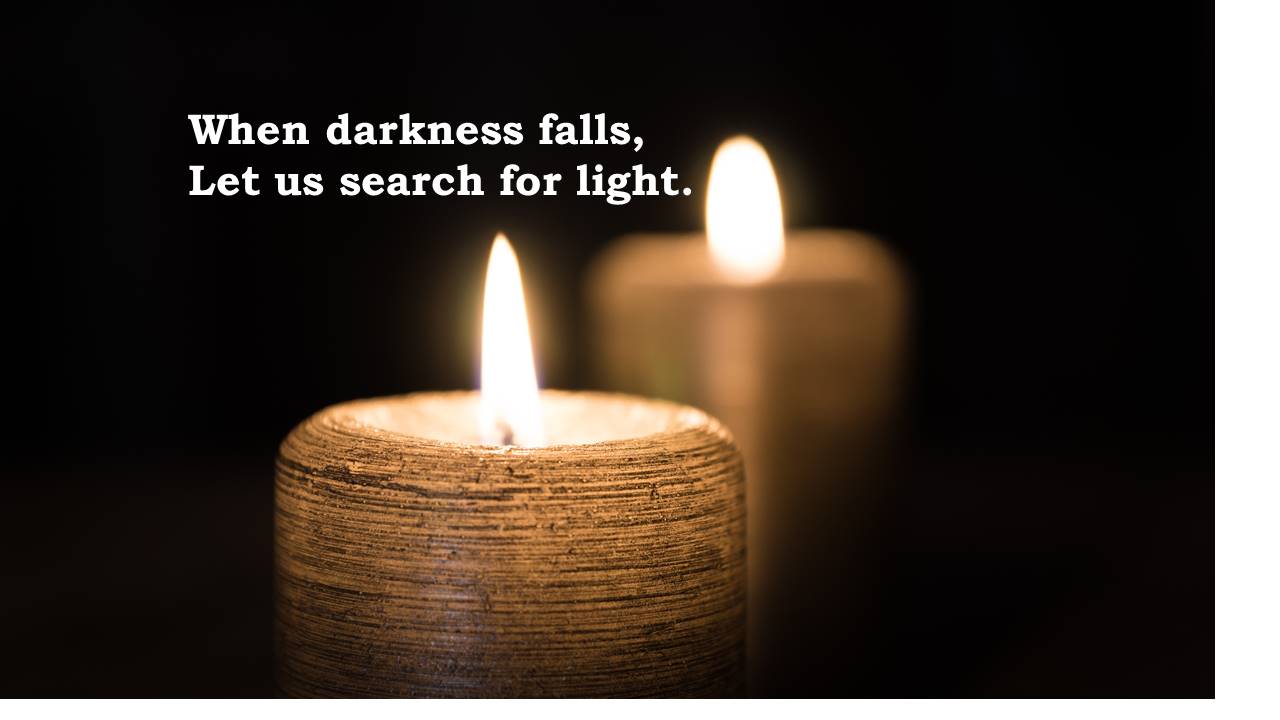
When darkness falls, let us search for light.
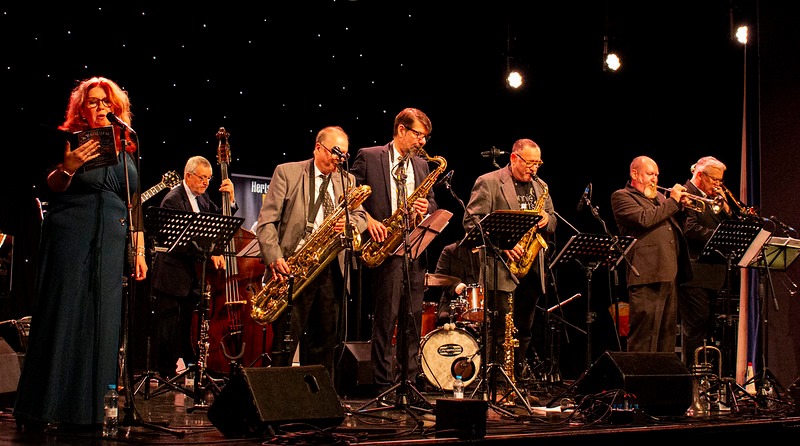
I look back on the experience of writing and touring Requiem, of performing with The Alan Barnes Octet as being one of the best and most fulfilling creative experiences I have had. I remember it with great love and hope that one day I might get to do it again.
The Alan Barnes Octet and Josie Moon: Requiem
In this time of enormous darkness, of creeping tyranny and oppression, of vacuity, corruption and sleaze it’s important to keep searching for the light, to not give in, to not let the dark win. It’s hard as hell, relentless and exhausting.Unlike the dark, which isolates us and makes us feel alone and afraid, the light casts warmth and brightness. It allows us to find each other and join hands.


 Josie Moon