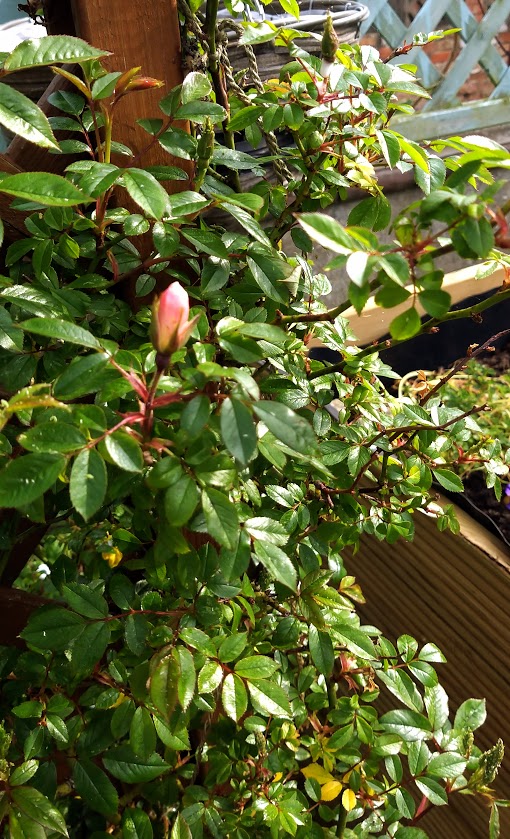
The turn of the season, from the nascent energy of early spring to the more established growth around Beltane, has this year been accompanied by a disquieting shift in the national mood. The unseasonably warm spell of late April, which spurred a sudden flourishing in the garden and a corresponding urgency for water – a stark reminder of the erratic behaviour of our climate – gave way to a colder, more introspective May bank holiday weekend. The chill in the air seemed to mirror a certain cooling of optimism, a sense that the ground beneath our feet, both literally and metaphorically, is less stable than we might hope for at this time of year.
Observing the garden’s rapid response to the unexpected heat, followed by the almost immediate need for careful watering, felt like a small-scale parable of the larger challenges we face. The anomaly becoming the norm, the contradiction existing side-by-side – these are increasingly the hallmarks of our environmental reality. Even the small celebration in the East Marsh on that hot day, the music and the youthful exuberance played out against a backdrop of everyday realities and neighbourly interactions, held a certain poignancy. The offers of future produce alongside the requests for lowered volume spoke of a community navigating its own rhythms and connections amidst the larger uncertainties.
The two months spent wrestling with the garden have brought a degree of completion, at least for now. The physical act of turning soil, planting, and tending has a grounding effect, a tangible connection to the cycles of nature that can feel increasingly distant in our digitally mediated lives. Yet, even within this small sphere of control, there are areas that remain stubbornly resistant, like the darker corner beneath the living room window, a reminder that some tasks require a different approach, a temporary measure before a more thorough engagement.
However, the quiet satisfaction of a largely completed garden is overshadowed by the events of the preceding week, a stark reminder of a different kind of crisis – the health, or rather the ailing state, of our so-called democracy. The headline that was largely absent from the mainstream news – the fact that only a third of those eligible to vote actually did so – speaks volumes about the level of citizen engagement with the power structures that shape their lives. To dismiss this as mere voter apathy is a convenient, but ultimately dishonest, simplification. It ignores the palpable sense of alienation and cynicism that pervades the electorate, a weariness with a political system that, for many, has demonstrably failed to deliver.
The ‘success’ of Reform, while perhaps disheartening, was not entirely unexpected. When significant portions of the population feel unseen and unheard, when the dominant political discourse is perceived as dishonest and driven by populist rhetoric, it is perhaps inevitable that they will seek solace in simplistic answers offered by demagogic figures. These individuals, skilled at tapping into feelings of frustration and disenfranchisement, promise easy solutions but invariably deliver only disillusionment.
The roots of this disengagement can be traced back to significant events in recent history, notably the 2008 financial crash. The lack of accountability for those whose actions precipitated the crisis, coupled with the subsequent imposition of austerity measures, had a profound and damaging effect on communities across the country. The stripping away of local resources and the erosion of the social fabric left many areas hollowed out and seething with a quiet anger, a sense of hopelessness that has taken firm hold, much like weeds in an untended patch of ground.
The government’s response to the Reform surge has been depressingly predictable: a lurch further to the right, a knee-jerk reaction that targets vulnerable groups, in this instance, overseas students seeking asylum. This scapegoating and division offer no real solutions and only serve to deepen the existing fractures within society.
What a different path could have been taken. Instead of resorting to blame and deflection, there was an opportunity to look at the genuine, impactful work being done at the grassroots level across the nation. Within communities, often operating with minimal resources, are individuals and organisations deeply committed to creating positive change, a network of interconnected effort akin to the unseen but vital mycelium beneath the soil. A moment of humility, an acknowledgement of the limitations of the current political paradigm, could have led to a genuine attempt to understand and support these local initiatives. To recognise that the knowledge and the solutions often lie within these communities, not within the insulated walls of Westminster.
To step away from the seductive but ultimately toxic allure of populism, to reject the politics of blame and division, would have been a significant step towards rebuilding trust and fostering a more cohesive society. Instead, the familiar patterns of scapegoating and ideological entrenchment prevail.
It feels as though we have not yet reached the lowest point, the nadir of this particular cycle. But perhaps, paradoxically, it is only when we reach that point that the possibility of genuine rebuilding can begin. A rebuilding not in the image of our worst instincts, but in the reflection of our best – a society that values genuine engagement, supports its communities, and operates with honesty and integrity. The quiet work in gardens and local initiatives may seem small in the face of these larger political currents, but it is in these spaces that the seeds of a more hopeful future are quietly being sown. The season may feel uncertain, the political climate unsettling, but the underlying potential for growth and connection, like the persistent life in the soil, remains.
 Josie Moon
Thank you Josie Moon. It really helped to read this this morning. I’m now going to venture out and dig. 💚
LikeLike