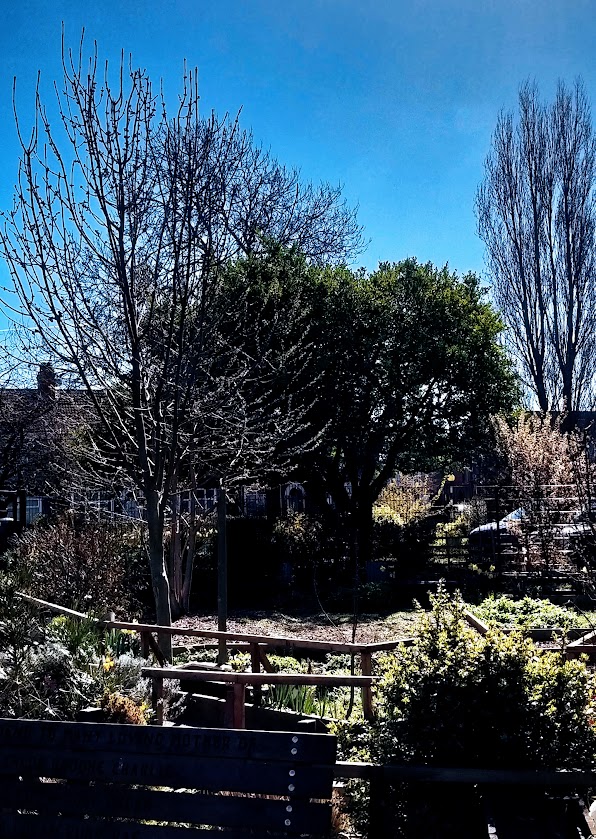
The local park, a space intended for communal well-being, now presents a distressing reflection of societal challenges. Originally donated in an era of philanthropic generosity, it has devolved into a site marked by escalating antisocial behaviour. The nightly fires, fuelled by stolen wheelie bins, and the pervasive litter, including broken glass and human waste, render it not only unpleasant but also hazardous. My daily walks with my dog, Loki, are a constant reminder of this degradation, as he scavenges amongst the debris, often to his detriment.
The young boys responsible for much of this disruption, barely into their teens, are themselves victims of systemic failures. Their actions, while destructive, stem from a lack of adequate care and guidance. They exist in a state of near-ferality, largely unreached and unsupported. The schools, already overburdened, struggle to provide the necessary interventions. Shalom, our local youth centre, a long-standing institution, offers a crucial lifeline, yet even this resource is occasionally subject to abuse, highlighting the complexity of the issues at play.
A fundamental deficit of social capital underpins these problems. The community is characterised by instability, transience, and economic hardship. This lack of cohesion, the absence of robust support networks, leaves individuals ill-equipped to navigate life’s inherent difficulties. My involvement with East Marsh United, though impactful on a small scale, feels like a limited response to an overwhelming crisis. My attempts to engage with those in positions of authority often yield sympathetic words but insufficient action. The focus, it seems, remains on bureaucratic processes rather than tangible social change.
The recent police intervention at a peaceful gathering in a Quaker house has further eroded my sense of security. The violation of a space traditionally regarded as a sanctuary raises profound questions about the protection of civil liberties and the erosion of trust. This incident, coupled with the resurgence of austerity measures and the looming spectre of war, creates a deeply troubling context. The most vulnerable members of our society face increasing marginalisation and neglect.
My own experiences mirror these broader societal trends. While yesterday offered a fleeting sense of equilibrium, today I am once again confronted with exhaustion. The need for emotional release, for a moment of respite, is palpable. This oscillation between resilience and weariness is a recurring pattern, a testament to the ongoing nature of these challenges.
Life, as these observations underscore, is inherently complex and unpredictable. It is a journey marked by both joy and adversity, success and setback. To navigate this complexity, individuals require not only personal strength but also robust systems of support. These support systems, however, should not be viewed merely as safety nets; they are also essential catalysts for social progress. Those who have experienced hardship are often best positioned to advocate for systemic change and to champion the cause of social justice.
The difficulties faced by the young people in the park are not isolated occurrences; they are symptomatic of a more extensive societal breakdown. The lack of resources, the absence of structure, and the prevalence of neglect create an environment in which despair can flourish. Addressing these issues demands a move beyond superficial solutions towards long-term, sustainable interventions. This requires a fundamental re-evaluation of our priorities, a recognition that social justice is not a peripheral concern but a core societal imperative.
We must cultivate a society that prioritises the well-being of its most vulnerable citizens. This entails significant investment in education, youth services, and community initiatives that foster social cohesion and mutual support. It necessitates a commitment to tackling the root causes of poverty and inequality, rather than simply managing their consequences. It requires a willingness to challenge prevailing norms, to hold those in positions of power accountable, and to advocate for policies that promote equity and inclusion.
The work undertaken by East Marsh United, and similar organisations, is of critical importance. We operate on the front lines, witnessing firsthand the impact of societal neglect. We serve as advocates for those whose voices are often marginalised. However, our efforts are frequently constrained by inadequate funding and a culture that prioritises discussion over decisive action.
The current situation demands urgent and comprehensive change. We can no longer afford incremental progress. We must invest in our communities, empower our young people, and strive to create a society in which all individuals have the opportunity to thrive. This is not an idealistic aspiration but a fundamental matter of human rights.
The park, in its present state, serves as a stark reminder of what is at stake. It symbolises the consequences of neglect and indifference. Yet, it also possesses the potential for transformation. It can be reclaimed as a space of healing and renewal, a testament to the enduring capacity of the human spirit.
Realising this potential requires immediate and sustained action. We must channel our collective frustration into constructive engagement. We must build alliances with those who share our commitment to social justice, and we must demand meaningful change from those with the power to effect it. We must hold onto the belief that, even in the most challenging of circumstances, positive change is possible.
 Josie Moon